
TL;DR
- A dental bridge procedure is used to replace multiple consecutive missing teeth in the mouth.
- A dental bridge is of four main types:
- Traditional bridge: Attached on both ends with dental crowns.
- Cantilever bridge: Attached on one end with a crown.
- Maryland bridge: Attached with wings fused to the backs of natural teeth.
- Implant-supported bridge: Anchored to dental implants on either side.
- Each type of bridge requires a slightly different procedure. An implant-supported bridge will take the longest to place.
- The best candidate for a dental bridge has up to three consecutive missing teeth and possesses good oral hygiene.
Your Pathway to a Restored Smile
Restorative dentistry can address a variety of cosmetic concerns. Whether you’ve got a missing tooth or a damaged one, there’s a solution that you can probably zero in on to give you back your confidence.
If you’ve got multiple missing teeth in a row, you’ll usually be recommended a dental bridge procedure.
Essentially a row of artificial teeth that are anchored to your natural teeth to “bridge” the gap, this procedure is an easy way to restore the natural appearance of your teeth.
Depending on the area of concern, the required extent of restoration, and your aesthetic goals, you can opt for various types of dental bridges.
What are the Types of Dental Bridges?
Based on your final goals, your dentist may recommend different types of dental bridges. The four main types of bridges are as follows:
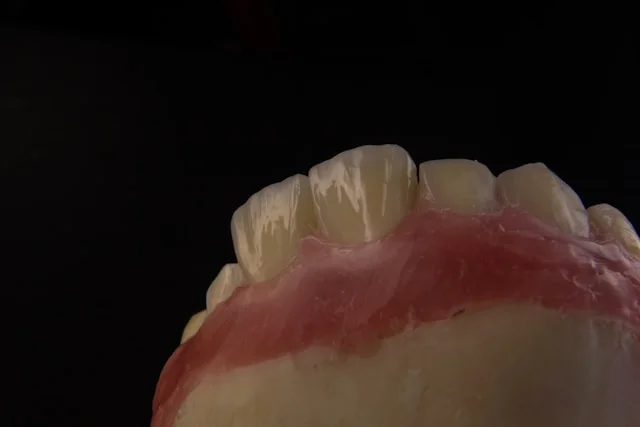
- Traditional Bridge: This is the most common type of bridge. The bridge is constructed with dental crowns on either end. The artificial teeth (called pontics) are in between. The crowns are bonded by your dentist to your natural teeth. Traditional bridges are usually recommended when you have healthy, natural teeth on either side of your gap that can serve as suitable anchors.
- Cantilever Bridge: This is very similar to a traditional bridge, except that there’s a crown on only one end instead of both. Your dentist will affix one end of the bridge to your healthy teeth and the pontics will “hang” over the gap. This is only used if you have healthy teeth on one side of the gap and does not offer as much durability as a traditional bridge.
- Maryland Bridge: Also called a resin-bonded bridge, these bridges use metal wings instead of crowns to stabilize them. Your dentist will attach the wings to the back sides of the adjoining teeth using resin. Maryland bridges are usually recommended for front teeth gaps since they aren’t strong enough to withstand the chewing forces in the back.
- Implant-Supported Bridge: These bridges are anchored to implants on either end instead of natural teeth. Implants are complete restorations for missing teeth and these must be allowed to fully heal and fuse with the jawbone before a bridge is installed. This usually takes between three and six months (but may even take longer). Implant-supported bridges are used to restore a large gap in the mouth.
What Takes Place During a Dental Bridge Procedure?
The procedure to install a dental bridge looks slightly different for each type. Here’s every dental bridge procedure, step-by-step:
Traditional & Cantilever Bridges
Here’s what a dentist does when placing a traditional or cantilever bridge:
- You will be administered local anesthesia to keep you comfortable.
- The natural teeth on both sides of your gap will need to be reshaped to prepare them. This is an irreversible process that involves the removal of a little bit of enamel.
- Dental impressions are then taken to create the customized bridge.
- While the custom dental bridge is being crafted, a temporary bridge may be placed. It usually takes between two and four weeks to create a bridge.
- After the bridge is ready, you will be asked to come in for another appointment where your dentist will swap the temporary bridge for the custom one.
- The fitting is evaluated before the bridge is bonded into place.
Maryland Bridge
Here’s what a dentist does when placing a Maryland bridge:
- Your natural teeth on the side of the gap will be cleaned and prepared before the bridge placement.
- Dental impressions are taken to create the customized bridge.
- After the final bridge is ready, your dentist will verify the fitting in a second appointment.
- Dental etch (a phosphoric acid gel used to roughen tooth enamel and dentin) is applied to the backs of your neighboring teeth. This allows for better bonding.
- The wings of the Maryland Bridge are then secured in place using dental resin.
Implant-Supported Bridge
An implant-supported dental bridge procedure takes the longest amount of time because you must wait for the implants to integrate before placing the bridge. This is what the process looks like:
- The first phase of this restoration process is placing the implants. You’ll be administered local anesthesia.
- The dental implants (rod-like structures that are intended to replace your tooth root) are implanted within the gum and jawbone.
- After surgery, your implants are allowed time to fuse with the jawbone. This is called osseointegration and it is an essential step in the process.
- After your implants have fused, you will be called in to take dental impressions.
- Your impressions will be used by a lab to fashion the custom dental bridge.
- In a final follow-up appointment, your dentist will place the implant abutments (a screw connector for the top of an implant) and attached bridge.
The Best Candidates for Dental Bridges
With so many restorative procedures out there, it can be hard to make a choice. Your dentist will consider many factors to advise you on your best course of action.
Dental bridges are typically used to replace up to 3 consecutive missing teeth. Bridges may not be the best solution if:
- There are more missing teeth than natural, healthy ones.
- The patient is missing a lot more than three consecutive teeth.
- The missing teeth are distributed across different areas of the mouth.
Dental hygiene is also a major factor of consideration. Bridges are usually only considered if the patient is currently exhibiting signs of good oral health and a consistent hygiene routine.
A bridge requires healthy teeth as anchors and moreover, does not prevent oral health issues from developing after being placed. For example, without good hygiene practices, gum disease or tooth abscesses can still develop below the bridge.
Finding the Best Solution
A dental bridge procedure is definitely one of the best ways to restore a gap of consecutive teeth in your jaw. However, it is important to carefully understand the expectations of a dental bridge procedure and discuss all possible options with your dentist to find the best solution.
If you’ve been worrying about the best restoration method or are confused about oral hygiene and care, we urge you to stop by Norwood Dental.
We understand the common anxieties surrounding dental care and clinic visits and endeavor to create a space where you can voice out your questions and seek appropriate healthcare without fear of judgment.
We’re proud to serve as one of the most trusted dentists in Norwood and are passionate about patient-centric dental care.
Give us a call: 952.467.3518
Address: 222 E Wilson Street, Norwood, MN 55368
FAQs
Recovery times vary from person to person and are largely dependent on factors such as type of implant and degree of aftercare. It usually takes about one to two weeks to heal from minor procedures, but it may take longer for you to get accustomed to the feeling of the bridge in your mouth.
With appropriate care and a dedicated hygiene routine, a dental bridge can last for a very long time. The typical lifespan is 5 to 15 years. You will have to get bridges replaced when you begin noticing signs of wear.
That depends on your oral health goals and degree of required restoration. Implants are more sturdy and last longer, but they’re invasive, need time to heal, and only used to replace one tooth at a time. Bridges are less invasive and replace multiple missing teeth at once.